
London CCTV, Wi-Fi and data cabling installers
CCTV Installation in London for Homes and Businesses
Smart Guard CCTV Security designs and installs CCTV across London, from a single camera on your front door to multi-camera IP systems for shops, offices and warehouses, together with the Wi-Fi and Cat6 and Cat6A cabling behind them.
- Homes and businesses
- Phone viewing set up
- Wired IP cameras
Covering all of London
Homes and businesses
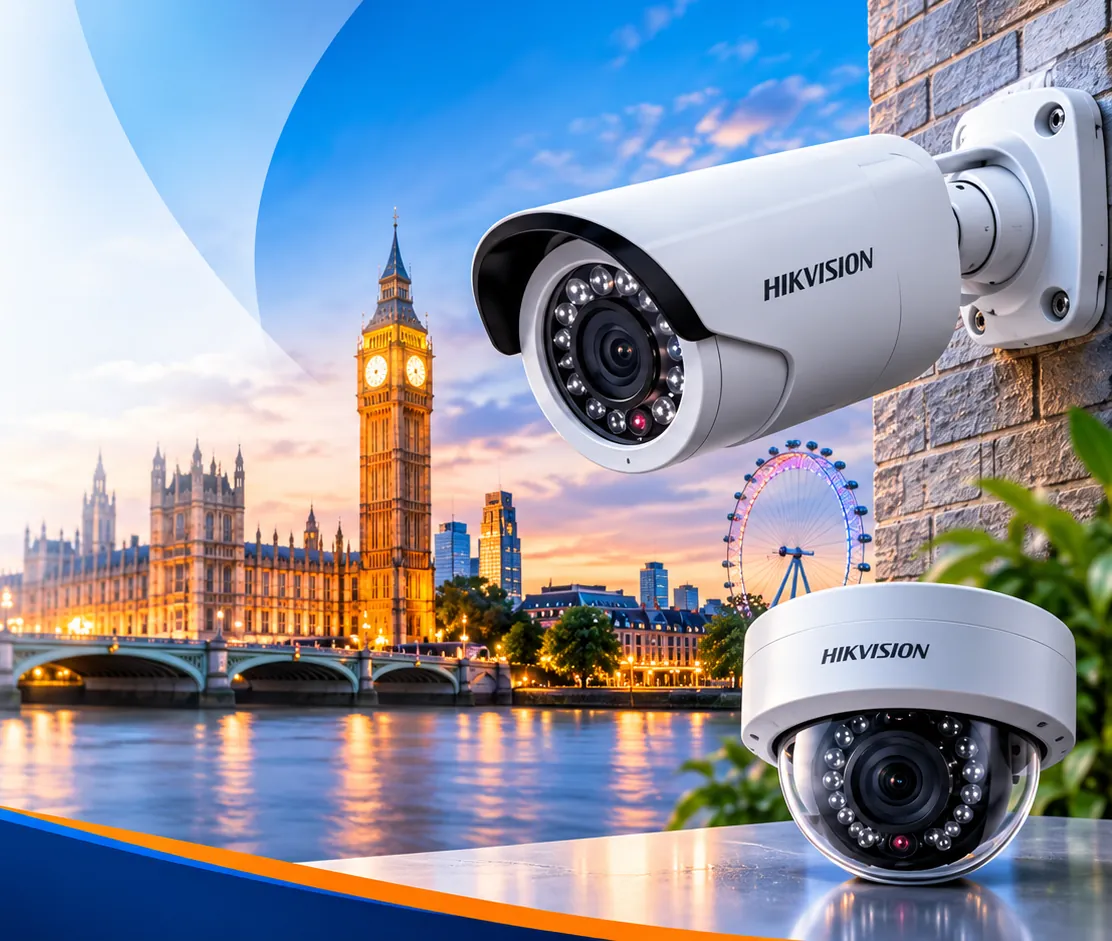
What we install
- CCTV cameras and recorders
- Wi-Fi access points
- Cat6 and Cat6A cabling
Doors, driveways and gardens
Shops, offices and warehouses
Even coverage, every room
Cabling, cabinets and PoE
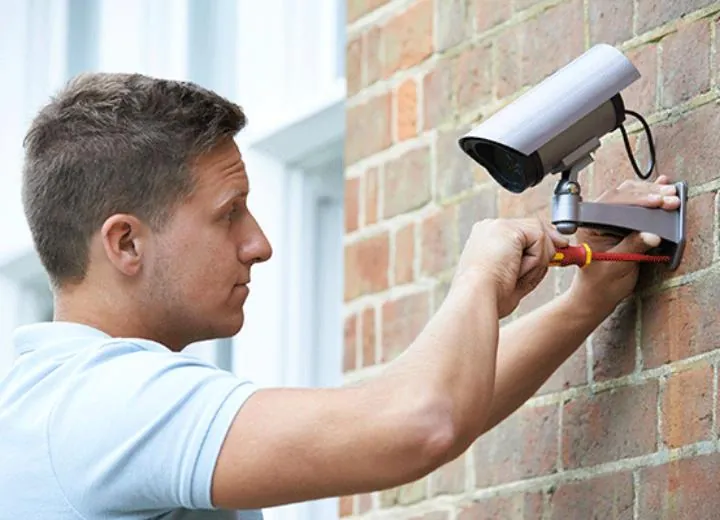
About Smart Guard
Your London CCTV, Wi-Fi and cabling installer
- CCTV for homes and businesses
- Wi-Fi and Cat6 / Cat6A cabling
- Phone and tablet viewing
- Privacy-aware camera positions
Why choose us?
Planned before we drill
Neat cable routes
Clear written quotation
App set up and explained
Privacy built in
Our services
CCTV and network services in London
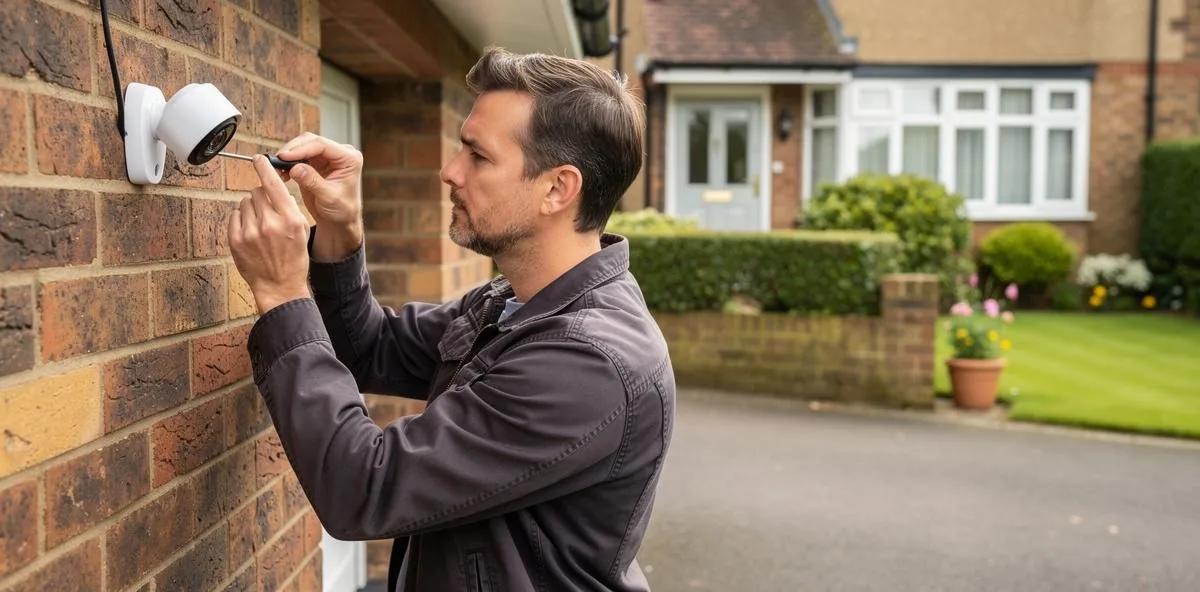
Home CCTV installation
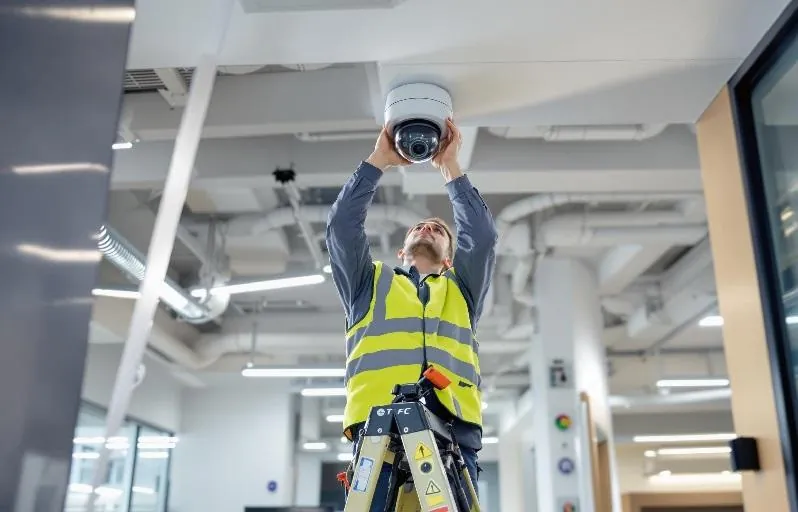
Commercial CCTV installation
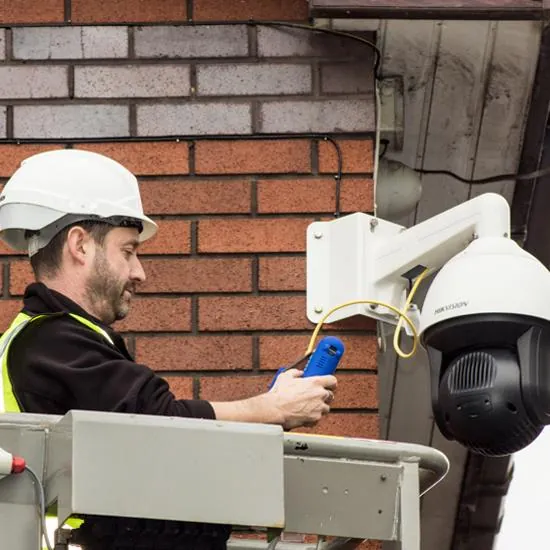
CCTV repairs and upgrades
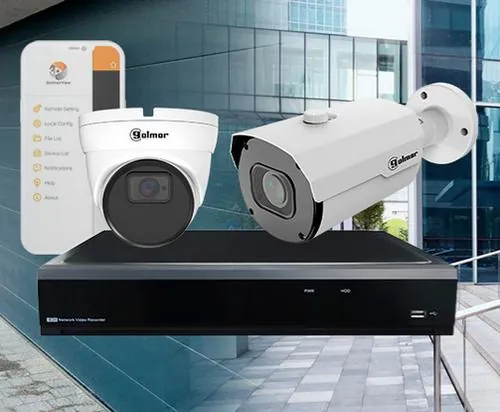
Remote viewing and app setup
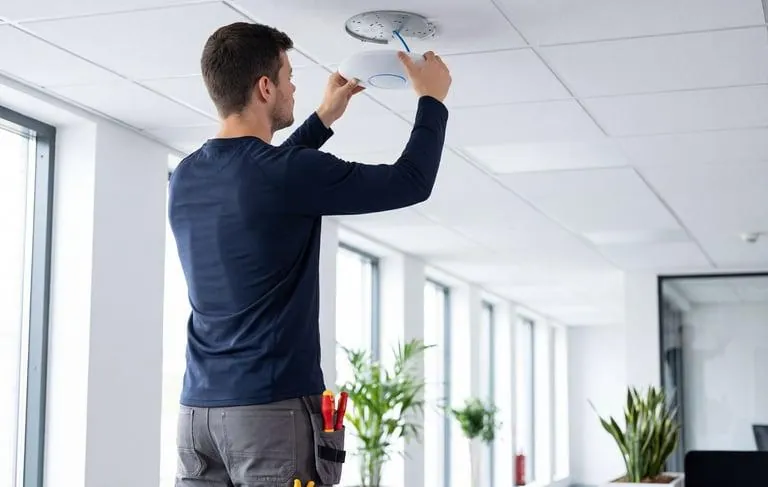
Wi-Fi installation
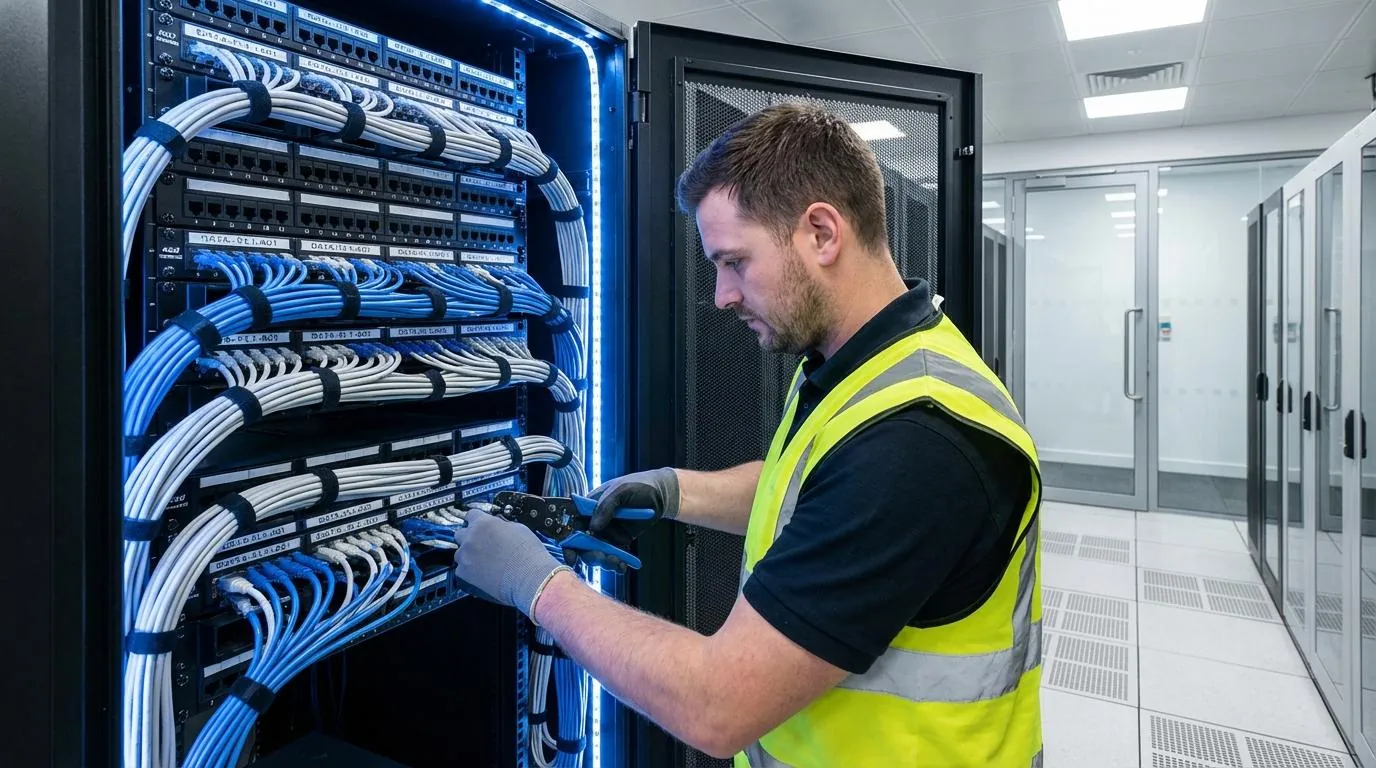
Cat6 and Cat6A data cabling
Positions agreed first
Before any drilling
CCTV installation
CCTV systems planned around your property
Good CCTV starts with knowing what you need to see. Before we fit anything, we look at the entrances, approach routes, lighting and where the recorder and cables can go. Then we recommend camera types and positions that suit the building, whether it is a terraced house, a shop front or a yard.
- Camera positions agreed with you
- Neat, hidden cable routes
- Storage sized to your needs
- Motion detection configured
- Phone and tablet viewing
- How to find and save footage
Choosing cameras
Which CCTV cameras are right for you?
Turret and dome cameras
Bullet cameras
PTZ cameras
Night vision and resolution
Wi-Fi and data cabling
Wi-Fi and network cabling installation in London
CCTV, Wi-Fi, phones and computers all rely on the network behind them. We install Cat6 and Cat6A structured cabling, network cabinets and Wi-Fi access points for offices, shops and homes, so every device has a dependable connection.
- Cat6 and Cat6A cabling and data points
- Network cabinets, patch panels and switches
- Wi-Fi access points for even coverage
- Cabling for CCTV, Wi-Fi and workstations
Cat6
1 Gb/s up to 100 m; 10 Gb/s up to about 55 m
Cat6A
10 Gb/s over the full 100 m channel
Power over Ethernet (PoE)
One cable carries data and power to IP cameras and access points
How it works
From first message to finished installation
Tell us what you need
Site survey
Written quotation
Installation and handover
CCTV and privacy: what homeowners and businesses should know
If a fixed camera, including a smart doorbell, records images or audio beyond your property boundary, UK data protection law applies to that footage. The ICO advises telling people that recording is taking place, deleting footage regularly and pointing cameras away from neighbours’ homes, gardens and the street where possible. Businesses using CCTV also need a clear reason for recording, visible signs and a way to deal with requests for footage.
When we plan camera positions, we focus coverage on your property and use privacy masking where the camera supports it. Read the ICO guidance on domestic CCTV.
FAQs
CCTV installation in London: common questions
Still have a question?
How much does CCTV installation cost in London?
The cost depends on how many cameras you need, the type of camera, the recorder and hard drive size, the length of the cable runs and how easy it is to route cables through the building. We provide a written quotation once we understand the property, so you can see exactly what is included before any work starts.
How many CCTV cameras do I need?
Most houses need a camera on each entrance and one covering the driveway, garden or side access. Businesses usually need cameras on entrances, tills or reception, stock areas and parking. We recommend a number after looking at the layout, so you are not paying for cameras that add little.
Is wired or wireless CCTV better?
For permanent installations, wired IP cameras powered over the network cable (PoE) are generally the most reliable choice, because they do not depend on Wi-Fi signal strength or batteries. Wireless and battery cameras can suit places where running a cable is not practical.
Can I watch my CCTV cameras on my phone?
Yes. Most modern recorders and cameras work with the manufacturer’s app, so you can view live and recorded footage on a phone or tablet. The property needs a working internet connection. We set up the app during the installation and show you how to use it.
How long does CCTV footage stay on the recorder?
It depends on the number of cameras, their resolution, whether they record all the time or only on motion, and the size of the hard drive. We size the storage to the number of days you want to keep, and the recorder overwrites the oldest footage automatically.
Is home CCTV legal in the UK?
Yes, you can use CCTV to protect your home. If a fixed camera captures images or audio beyond your property boundary, such as a pavement or a neighbour’s garden, data protection law applies to that recording. The Information Commissioner’s Office (ICO) publishes guidance for people using domestic CCTV.
Do you install CCTV in flats and rented properties?
Yes. In flats and leasehold buildings you may need permission from the freeholder or managing agent before fixing cameras to external walls or communal areas, so it is worth checking first. Landlords should also consider the privacy of their tenants.
Can you repair or upgrade my existing CCTV system?
Yes. We can find faults on existing systems, replace failed cameras, recorders or hard drives, add cameras where the equipment is compatible, and upgrade older analogue systems to higher-resolution IP cameras.
What is the difference between Cat6 and Cat6A cabling?
Both support 1 Gb/s networks over runs of up to 100 metres. Cat6 supports 10 Gb/s only over shorter distances (up to about 55 metres), while Cat6A supports 10 Gb/s over the full 100 metres and is better shielded against interference. Cat6A is the safer choice for new office cabling.
Request a quotation